



From the Editor
Military aircraft missions require years of preparation, a fully equipped crew, and numerous safety assurance testing to be considered ‘ready’. But say one essential aircraft part like a flap or rutter is missing. Until that part arrives, everything else must wait.
Behind that missing part is a vast network of people and organizations: manufacturers, suppliers, warehouses, transportation teams, and military logisticians. Most Americans rarely think about this network, yet it helps determine whether the nation’s armed forces can carry out their missions.
At the center of this network is the Defense Logistics Agency, or DLA. In fiscal year 2025, DLA reported $55.8 billion in contracts for supplies and services. It worked with more than 8,500 suppliers and supported military operations across the services. The numbers are extraordinary as is the responsibility.
But here’s the question that makes this story worth telling: Does massive supply chain management equate to operation preparedness in anticipation of military needs?
DLA’s 2025 record offers reasons for confidence while amplifying reasons to ask harder questions. The agency helped resolve important shortages, invested in better logistics systems, and practiced moving supplies under demanding conditions. At the same time, its performance varied across military services with auditors finding serious weaknesses in financial controls and independent investigators identifying gaps in visibility into parts of the supplier network.
None of that means DLA failed its mission. It means that keeping a massive system running today and knowing how well it can withstand tomorrow’s crises are two different challenges.
That is the readiness paradox.
Introduction — The Part Nobody Notices Until It Is Missing

We often picture military readiness in terms of ships, aircraft, vehicles, and the people who operate them. But those capabilities depend on something less visible: having the right fuel, equipment, spare parts, and materials in the right place at the right time.
DLA helps make that possible by buying supplies, managing inventory, coordinating distribution, and maintaining reserves of certain materials important to national defense. It serves a mission in which a small item can have an outsized effect. A missing component may cost relatively little compared with the equipment it supports, yet its absence can keep that equipment out of service.
The challenge becomes more difficult when several problems occur at once. What if demand rises suddenly? What if a supplier cannot deliver? What if transportation routes are disrupted? A supply system that works well in ordinary conditions may face a very different test under constraints.
To understand how prepared DLA is for that test, we examined its publicly available 2025 reports, independent audits, and government oversight findings. We looked beyond how much it spent or how many initiatives it launched, asking instead what those activities meant for actual military support. The story begins where DLA’s mission matters most: with the people awaiting supplies.
Scene One — When One Part Makes All the Difference

In 2025, DLA reported helping the Marine Corps respond to a shortage involving a critical gearbox for the V-22 aircraft. The agency described a targeted effort of about $13 million that fulfilled 93 percent of the selected demand. It also reported helping the Army improve the condition of 340 high-risk aviation supply items and clearing roughly three-quarters or more of a selected group of Navy aviation backorders within six months.
These are meaningful examples of people solving difficult problems. They show how focused attention, money, and coordination can ensure supplies are available where needed.
So, if DLA can make this kind of progress on a specific shortage, how often can it do the same across the entire military?
One clue comes from the agency’s broader measures of supply availability. In its 2025 financial reporting, DLA showed availability of 73.2 percent for the Air Force, 85.6 percent for the Army, 76.5 percent for the Navy, and 85.7 percent for the Marine Corps. These figures cover different service needs, so they should not be combined into a single overall score. They do, however, show that the experience of obtaining supplies was not uniform.
For a reader unfamiliar with military logistics, the takeaway is a system that can produce impressive successes while customers still face more difficulty getting what they need than others.
DLA’s challenge is to make effective responses less exceptional. They must ask themelves which shortages keep coming back, what helped clear them, and can those lessons be applied before the next aircraft, ship, or vehicle is waiting.
Solving today’s shortage is valuable. Preventing tomorrow’s shortage may be even more important.
Scene Two — What Does $55.8 Billion Tell Us?

Fifty-five point eight billion dollars is difficult to picture. The amount DLA reported in contract obligations for fiscal year 2025, this figure is a measure of purchasing commitments, not a tally of mission outcomes. It tells us that the agency operates on an enormous scale, but it does not, by itself, tell us whether every purchase produced the intended result.
That distinction matters because buying something and being able to account reliably for the money are different responsibilities.
Independent auditors concluded that they could not obtain enough reliable evidence to express an audit opinion after they examined the financial statements of DLA’s Working Capital Fund, a major fund used to support its supply operations. The auditors also identified seven serious weaknesses in financial controls, along with two additional significant deficiencies.
In everyday terms, this means running a very large organization and being told that the records and controls are not strong enough for auditors to reach a conclusion about the financial statements. That would not prove that money was stolen, that every transaction was wrong, or that customers did not receive their goods. But it would make improving the reliability of the financial information an urgent management concern.
Another DLA fund, which supports the nation’s strategic materials stockpile, received a favorable opinion on its financial statements, even though auditors still identified important control weaknesses. These are separate funds, with different audit results.
The evidence does not support a claim that DLA exhausted funds irresponsibly. That’s not the lesson. The lesson is that an organization entrusted with extraordinary resources needs financial information leaders can depend on when deciding what to buy, what to fix, and where risks are growing.
And money is only one part of the story. Even a well-funded operation can struggle if it cannot see what is happening deeper in its supply chain.
Scene Three — The Supplier You Didn’t Know You Needed

Over 8,500 suppliers sounds like a strong starting point. If one company has a problem, surely another can step in, right?
Not necessarily.
Think of a car assembled from thousands of parts. The company selling the finished vehicle may have many suppliers, but a specialized chip or material could come from only a handful of manufacturers. Knowing the names of the companies you buy from does not always tell you who makes the essential components those companies depend on.
Defense logistics faces a similar issue. DLA’s 2025 Annual History reported that about 63 percent of its contract dollars went to roughly one percent of its suppliers. That is a measures where spending was concentrated—not proof that those suppliers were the only possible sources of critical parts. Still, it raises a useful question about how the network works beneath the surface.
In a July 2025 report, the Government Accountability Office, or GAO, examined the Defense Department’s ability to identify foreign suppliers deeper in the industrial network and found important visibility gaps. In DLA’s case, some business records focused on the companies receiving direct contracts rather than providing a complete map of the suppliers behind them. One DLA effort seeking information from suppliers received just five complete responses from 63 surveyed companies.
The wider problems described by GAO involve the Defense Department as a whole; they should not all be placed at DLA’s door. DLA also reported steps to improve how it identifies and monitors supplier risks.
Even so, the question remains: If a small but essential manufacturer stops producing tomorrow, how quickly can leaders identify the affected military supplies—and find another way to obtain them?
A long supplier list is reassuring. Knowing which suppliers the mission cannot easily do without is more powerful.
Scene Four — Preparing for the Day the System Is Tested
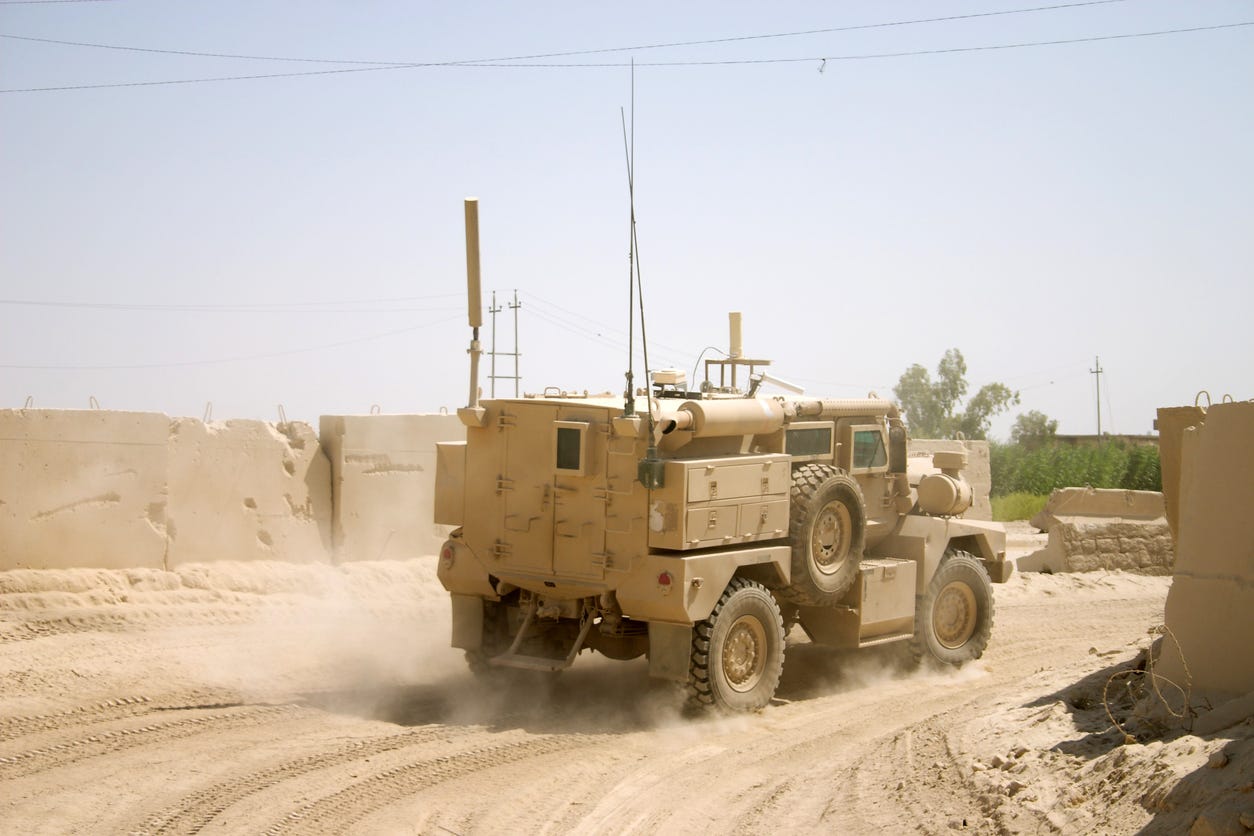
A supply network does not become dependable simply because it works on an ordinary Tuesday. Its toughest test may come when a storm closes a port, a factory stops producing, or when military operations suddenly require far more supplies than usual.
DLA spent part of 2025 preparing for that kind of pressure. It reported bringing an updated warehouse management system to five sites and expanding digital tools intended to improve logistics decisions. During the TALISMAN SABER 25 exercise, a deployable depot supported approximately 2,600 lines of supply. DLA also reported receiving 7,135 tons of strategic materials across eight material types for the national stockpile.
These actions matter. Better warehouse systems can help people find and move inventory. Mobile logistics capabilities can support forces away from established facilities. Strategic reserves can reduce dependence on immediate purchases when markets or transportation are disrupted.
Despite these efforts, like filling a pantry before a major storm, preparation cannot foreshadow impact. The shelves may look full, yet whether the food is enough depends on how many people you must feed and how long the roads remain closed. Counting what is on the shelves is only half the answer.
The same distinction applies to strategic materials. A GAO report published in 2024 found substantial stockpile shortfalls using data and models from 2023. Those findings are historical; they cannot be presented as DLA’s measured stockpile condition in 2025. The current public material we reviewed did not allow us to compare 2025 reserves with the full set of requirements they were meant to meet.
That limits what we can responsibly conclude. We can describe preparatory actions DLA took, but we cannot say, based on the available evidence, that the entire system would—or would not—have a sufficient amount of critical material during a prolonged disruption.
The question for leaders is simple but demanding: What happens when the first plan stops working? How long can supplies keep moving? How quickly can the system recover?
Readiness becomes more convincing when those answers are tested and measured, not merely assumed.
Scene Five — The Difference Between Being Busy and Getting Better

DLA’s signs of active management are shown through their investment in supplies for Virginia-class submarines, including approximately $334.5 million in targeted items. It also expanded logistics technology, held meetings to review risks, and reported closing 27 recommendations from external oversight organizations during 2025.
These reported actions are worth recognizing. But they also point to a challenging paradox familiar to almost every large organization: activity is easy to count; lasting improvement is harder to prove.
For example, a new computer system may be installed, but does it help people locate needed parts faster? A meeting may identify a risk, but was the risk reduced? A recommendation may be closed, but did the underlying problem stay fixed? A large purchase may be made years ahead of need, but did it prevent a shortage when the moment arrived?
Observe these questions not as criticisms of planning or oversight but how leaders discover whether planning and oversight are producing the results they intended.DLA’s strategy emphasizes military support, modernization, and resilience, and the agency’s public reports describe steps toward those goals. What is harder to establish consistently from the evidence is the full connection between each investment, the change it produced, and the lasting benefit to military readiness.
This is a central opportunity revealed by our assessment. Rather than just impressive numbers, DLA needs a clear way to connect its objectives with what changes the people who depend on it need.
For example, an executive should be able to ask: Are critical shortages becoming less frequent? Are replacement suppliers easier to find? Are warehouse improvements shortening delivery times? Are financial-control problems being resolved? Can the supply system recover faster from disruptions?
When the answers become clearer, leaders can put resources where they matter most—and the public can better understand the value being created.
Final Insights — The Question Behind the Numbers
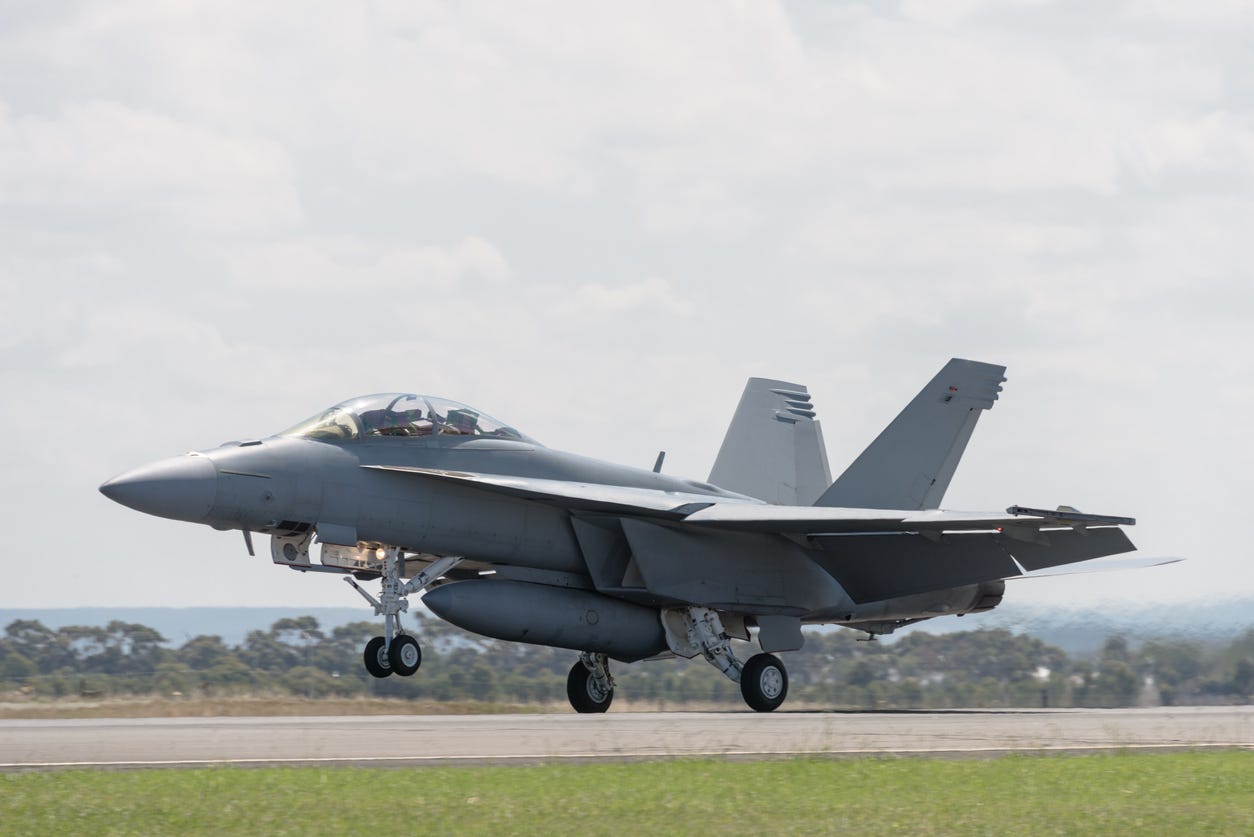
The Defense Logistics Agency’s 2025 story is neither a clear-cut success story nor a story of failure. It is the story of an essential organization doing consequential work while facing the difficult task of proving how well its entire system is prepared for the future.
DLA helped address specific military supply shortages. It made investments in technology and strategic materials and demonstrated logistics capabilities in demanding exercises. Those accomplishments deserve attention.
Its public record also shows why success cannot be measured by purchasing totals alone. Military customers experienced different levels of supply availability. Auditors reported significant weaknesses in the financial controls of a major operating fund. Government investigators found gaps in the ability to see deeper into parts of the supplier network. And the available evidence did not establish whether reserves and recovery capabilities were sufficient across all major scenarios.
We should be careful about what those findings mean. A missing public measure does not prove that the underlying capability is absent. An audit finding is not the same as a judgment about every mission. And isolated success is not proof of success everywhere.
Yet the questions raised by this record matter far beyond defense logistics. Every complex organization can mistake the scale of its activity for evidence of its effectiveness. It can celebrate a new system without knowing whether customers are better served and can count suppliers without understanding hidden dependencies. It can even prepare for emergencies without measuring how long it can endure one.
The most important leadership question must change from ‘How much did we do?’ to ‘What can we do better—and how do we know?’
For DLA, that question leads back to the aircraft waiting for one essential part. The real achievement is not only getting that part delivered today. It is building a system that makes tomorrow’s delay less likely, recognizes trouble earlier, and keeps the wheels of its mission turning when conditions become difficult.
A mission is not ready because the supply system is large. It is ready when the supply system can be counted on.
That is the readiness paradox— a challenge every leader, in government or business, should recognize.
About Results Leadership in Government
Results Leadership in Government is a strategic insight series from Averroes Business & Technology that examines how federal agencies translate their missions, resources, and responsibilities into measurable, sustained performance. Each issue applies the Enterprise Performance Assessment Model (EPAM™) to publicly available evidence—including agency financial reports, congressional budget justifications, and findings from the Government Accountability Office and Inspectors General—to examine what is working, where performance gaps remain, and what those gaps mean for mission outcomes. The findings inform practical leadership priorities through the Averroes Engagement Recommendation Framework.
Co-authored by Amir Moore, CEO of Averroes, and contributing writer Lauren Floyd, the series is written for agency executives, oversight bodies, public-sector transformation leaders, and readers interested in government performance and accountability. Its central question is straightforward: Are federal agencies simply carrying out their missions, or are they demonstrating the results needed to sustain them?